
History of Musique actuelle
Musique actuelle is characterised by its hybrid character and innovative approach to musical material. It is not limited to a specific genre, but instead represents an artistic ethic based on exploration, experimentation, and the interrogation of conventions. Often imbued with sound research, this musical form favors innovative approaches to composition and improvisation, the deconstruction of genres and a participatory approach in which the spectator becomes an actor in the performance. Its aim is to create new relationships between composition, interpretation and the perception of musical experience.
The history of musique actuelle in Quebec is distinguished by the emergence of experimental musical practices that have found national and international recognition through emblematic events, notably the Festival International de Musique Actuelle de Victoriaville (FIMAV), one of the major events of its kind in North America. In existence since 1983, the festival has played, and continues to play, a central role in the development and dissemination of musique actuelle. This artistic approach combines diverse influences from jazz, electronic music, contemporary music, folk and traditional music, and the sound arts.
(text continued below)
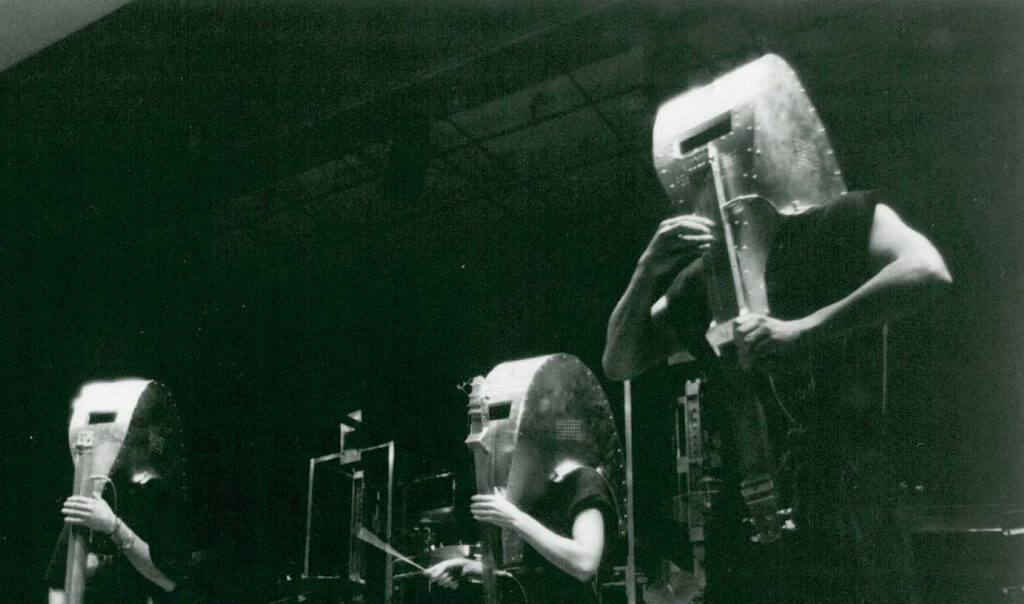
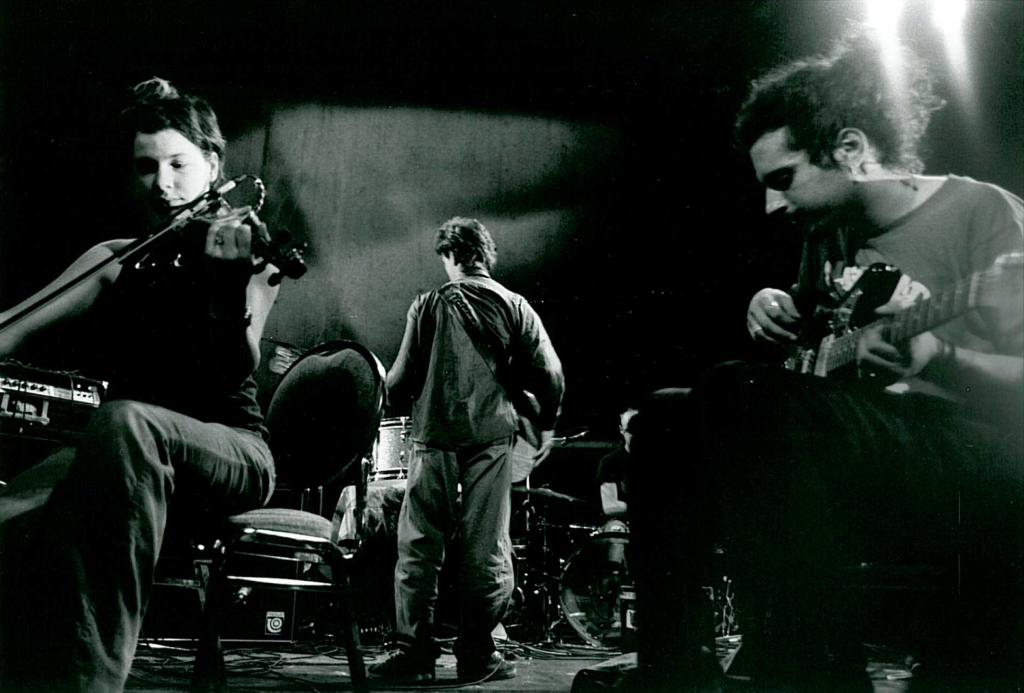
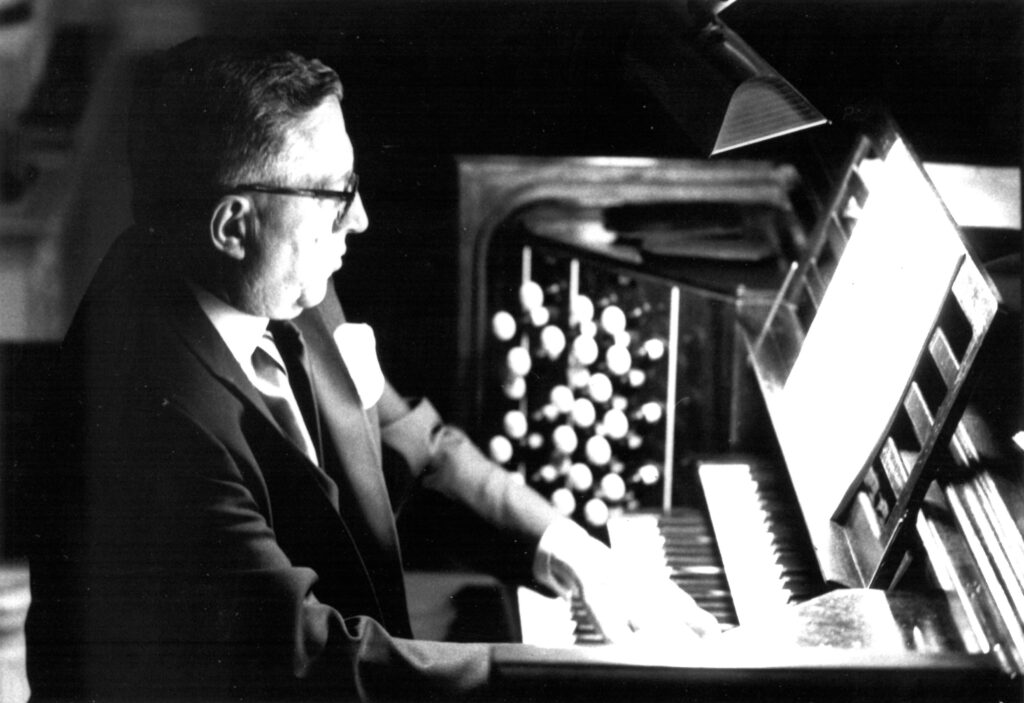
The term ‘musique actuelle’ was popularised in Quebec in the 1980s, thanks to the work of musicians such as René Lussier and Jean Derome, and the support of structures such as the record label, Ambiances Magnétiques, and the producing company, Productions SuperMusique, which contributed to the development of the milieu. The origins of musique actuelle go back to 1961, however, when composer Pierre Mercure organised the Semaine internationale de musique actuelle in Montreal, a landmark event that introduced avant-garde works and experimental performances to a wide audience. This encounter between different forms of artistic expression (music, dance, experimental cinema) was a real catalyst for the Quebec music scene, laying the foundations for a new musical models that broke with traditional forms.
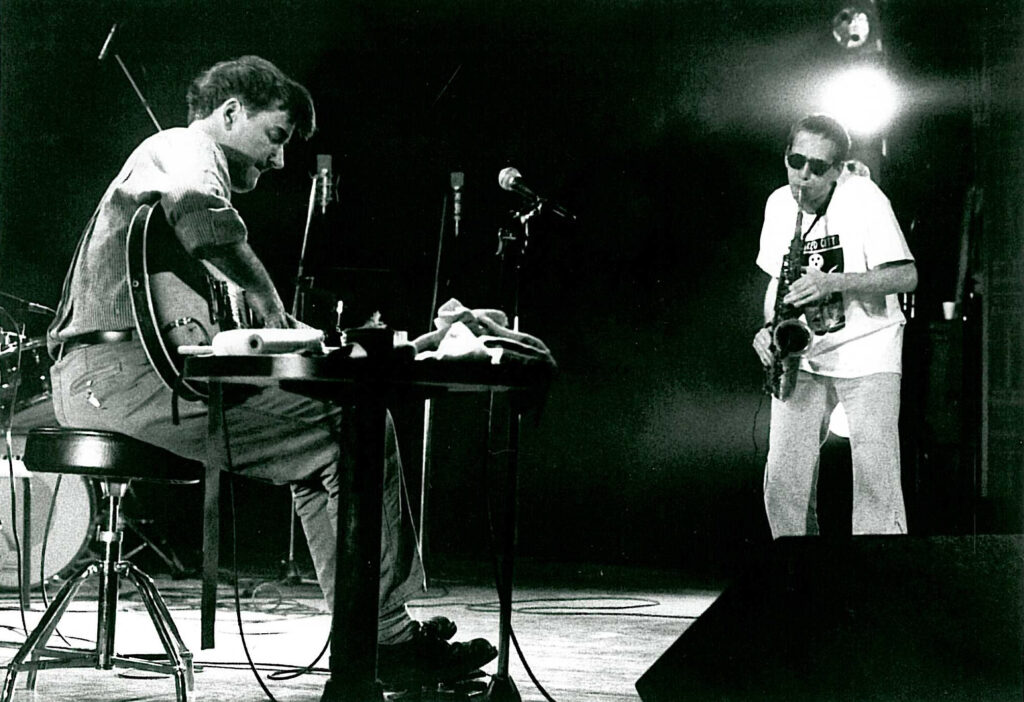
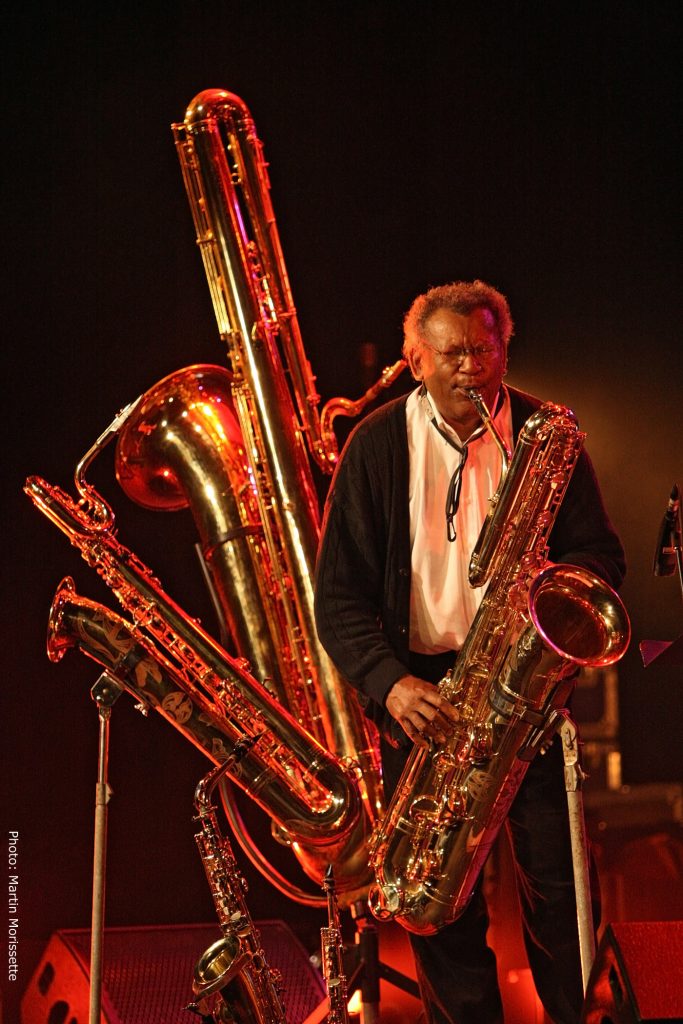
Festivals like FIMAV have consolidated this momentum. The Festival international de musique actuelle de Victoriaville not only attracted major names from the international scene, such as John Zorn (pictured fourth), Anthony Braxton (pictured fifth) and Godspeed You! Black Emperor, but it has also brought together a variety of musical genres, from free jazz to experimental electronica, in a unique setting. This festival, featuring programming that prizes collaboration between artists and sound exploration, is also characterised by a convivial atmosphere, programming around twenty concerts per edition, without simultaneous performances, thus creating a space for encounters and dialogue between musicians and audiences.
Quebec’s field of musique actuelle stands out for its diversity, openness to innovation and unifying role, making it a globally recognised phenomenon. Driven by visionary artists and promoted by institutions such as FIMAV, musique actuelle has established itself through a variety of bold, creative responses to established musical conventions.
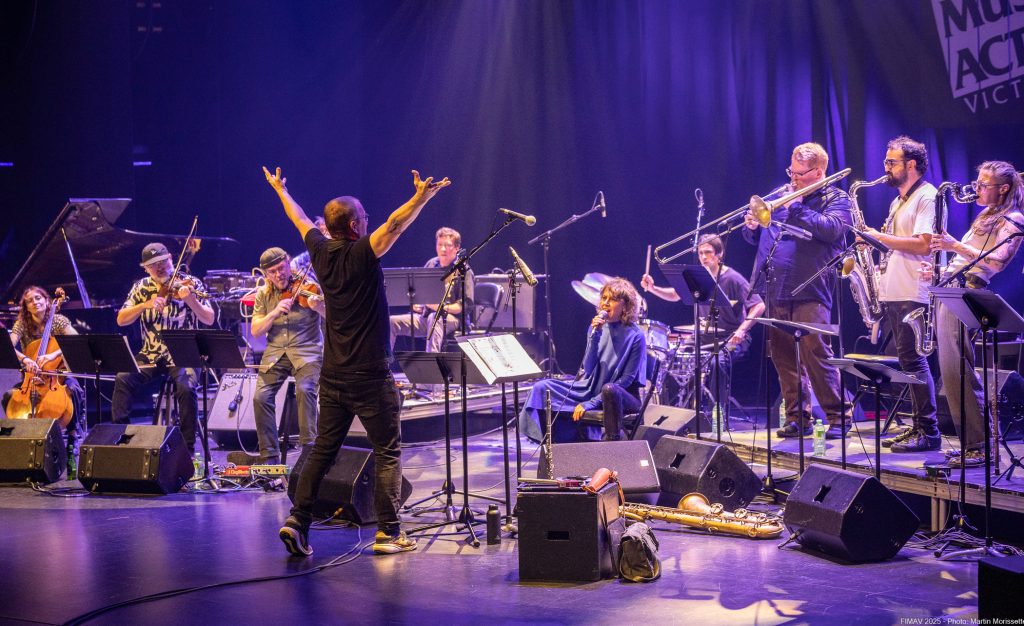
CONCERTS
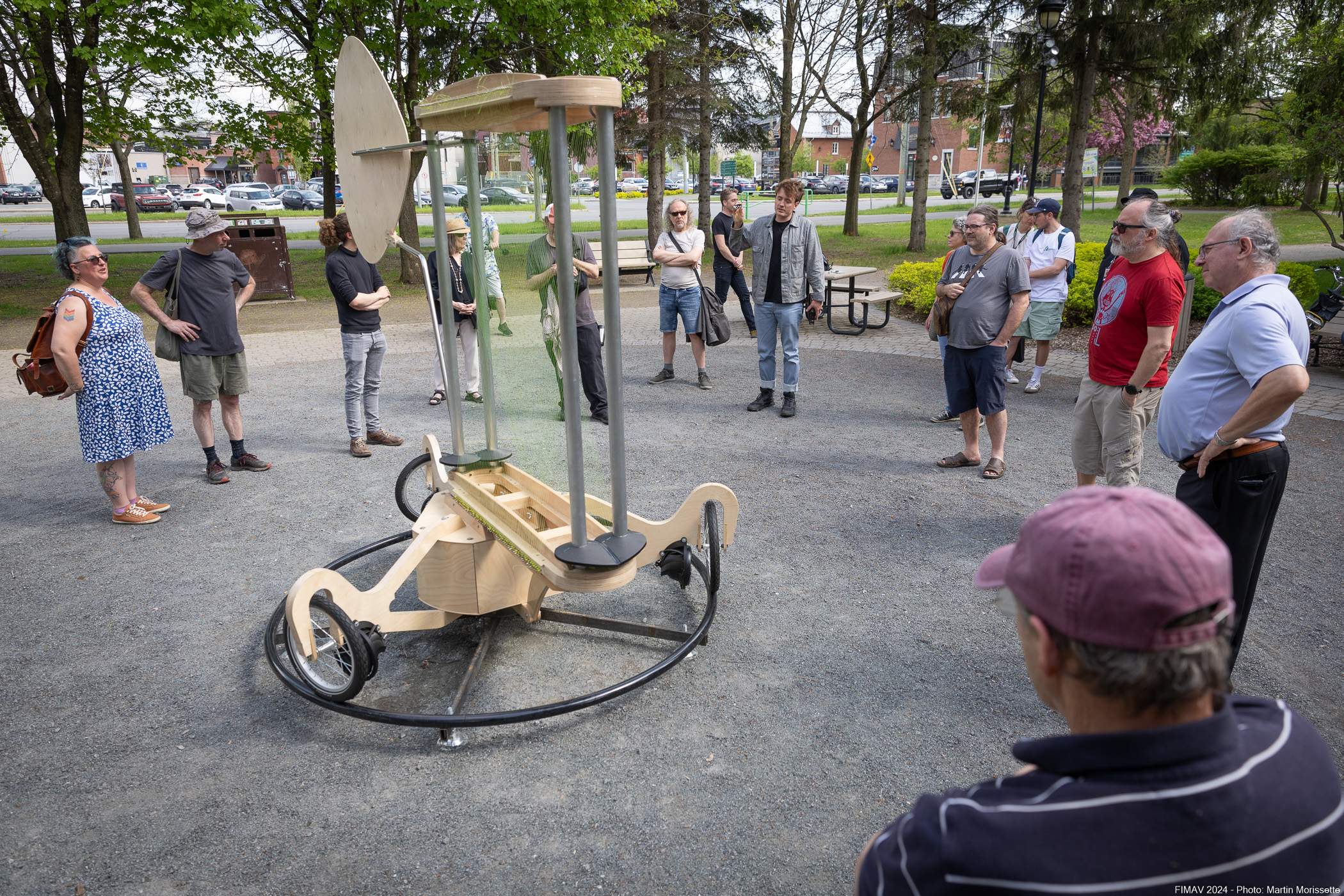
SOUND ART INSTALLATIONS
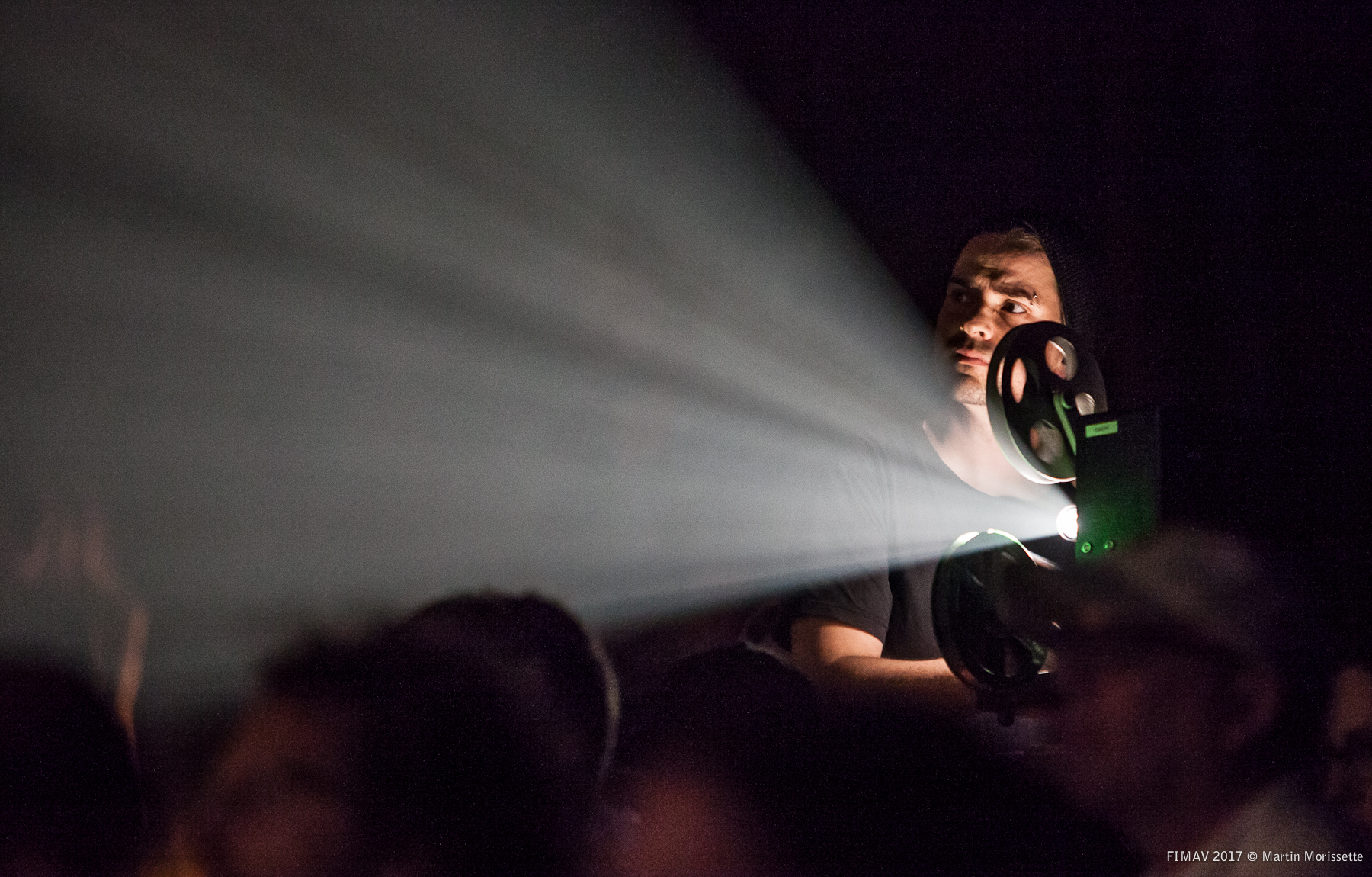
DISCOVER MUSIQUE ACTUELLE

